
Welcome to the Omega Science Museum
One museum, one guided tour — the day’s discoveries, stories, films, and the whole history of everything. Tap a picture to begin.
Begin Exploring ▶
Start Here
Welcome — Meet Don Sol
A personal welcome and a tour of the museum from its founder.
Watch the welcome video →
News Desk
Latest Science News
The freshest story first — tap to watch.
 ▶
Latest Brief · October 21, 2026
Omega Science News — This Week at the Desk
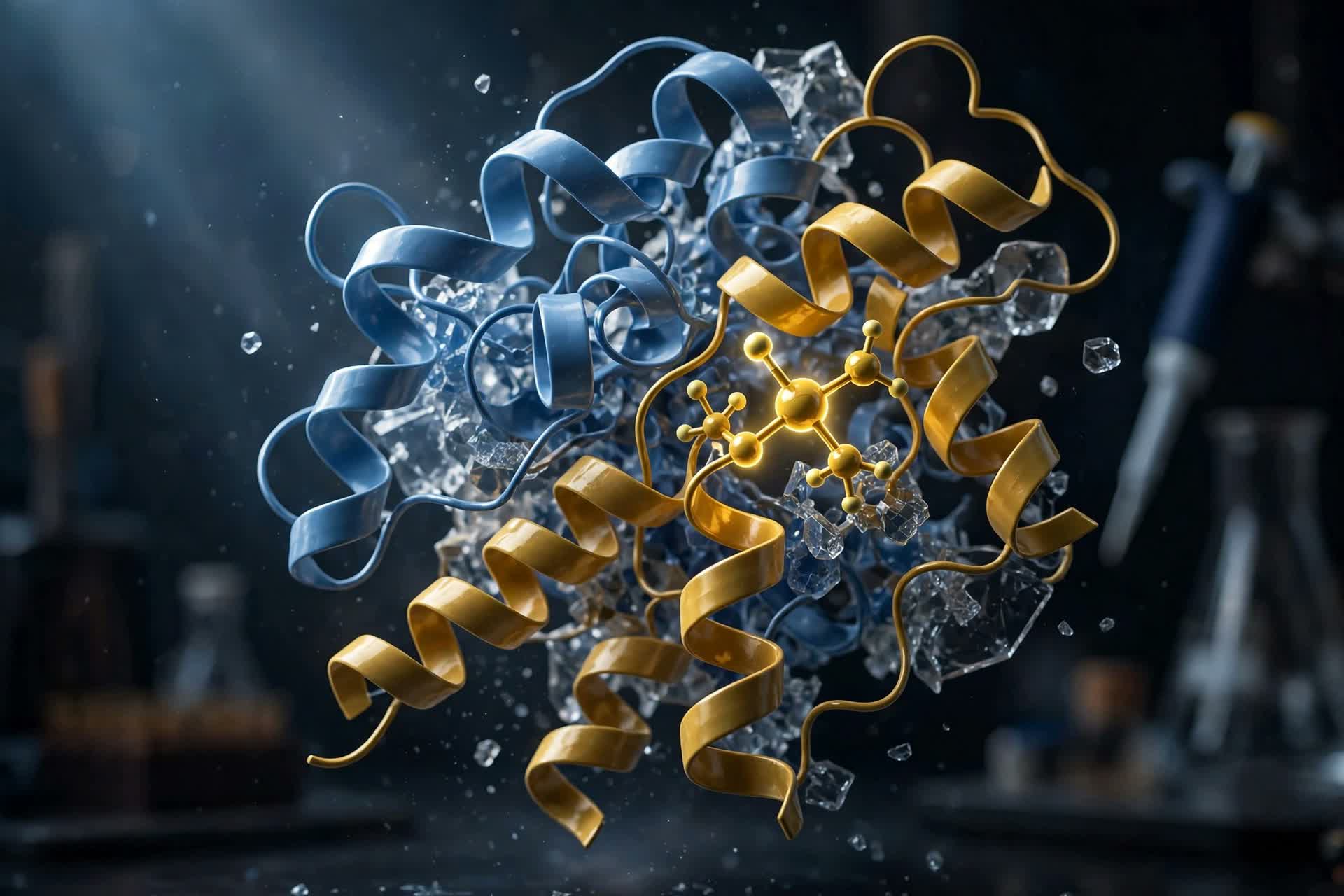
AI designs protein-cutting enzymes from scratch, old blood cells rewind their age clocks, and Perseverance breaks the off-world driving record. The weekly report from the News Desk, hosted by Don Sol.
Watch the report & read the brief →
 ▶
Brief · October 14, 2026
Omega Science News — The Latest Brief
The newest science briefing from the News Desk, hosted by Don Sol.
Watch the brief →
 ▶
October 6, 2026
Antarctic Ice Wins the Physics Nobel for Cosmic Neutrinos
Francis Halzen and IceCube take the 2026 Nobel Prize in Physics for high-energy astrophysical neutrinos. Also: a second-generation planet candidate around a white dwarf, baryon junctions, and the optogenetics medicine Nobel.
Watch the story →
Previous Editions
- October 11, 2026The Nucleus Is Now a ClockThe first nuclear clocks are running — Vienna and Beijing built timepieces that tick from the atomic nucleus instead of the electron cloud. Plus: the heaviest object ever pushed by quantum spin, the most distant fast radio burst, and a hidden drainage river in your eye.
- October 9, 2026Webb Finds Host of Most Distant Fast Radio BurstMeerKAT and Webb localize FRB 20240304B to a low-mass dwarf galaxy 10 billion light-years out. Also: patchy water clouds on the coldest brown dwarf, altermagnet confirmation, Bethe strings in ultracold atoms, and a bacterial suicide switch tripped by a viral enzyme.
- October 4, 2026The Mineral Dialect of Colliding WorldsThe clearest discovery signal this window is not a new planet. It is a census of the wreckage left when rocky worlds collide: on 1 October, ESA and the Space Telescope Science Institute reported that a team led by Kate Su of the Space Science Institute used the James Webb Space Telescope, with archival Spitzer data, to assemble 21 extreme debris discs. The paper is in The Astrophysical Journal.
- September 30, 2026A Robot With Living Muscle — and Clues in Alien IceLiving muscle steers a robot. Frozen grains carry clues from a hidden ocean. The 51-second report: MIT researchers steered a thin muscle-powered swimmer through a laboratory maze with light, and Cassini’s ice grains carry the chemistry of Enceladus’s hidden ocean, sorted grain by grain.
- September 29, 2026Aurora on Another World
- September 27, 2026Catching the Right Grain
- September 26, 2026Enceladus, Sorted
- September 22, 2026Three Waters at Jezero
- September 18, 2026Quantum Jumps of Sound
- September 17, 2026The Detector That Sees the Sun
- September 15, 2026Entanglement at the Energy Frontier
- September 13, 2026Hidden Structure, Clearer Signals
- September 12, 2026Discovery, Reexamined
- September 11, 2026Daily Science Brief: Cosmic Expansion, Cleaner Chemistry and Earth’s History
Stories
Stories
The museum’s story records, newest first. Tap a picture to watch or read more.

October 14, 2026 · Marine Biology · Top Story
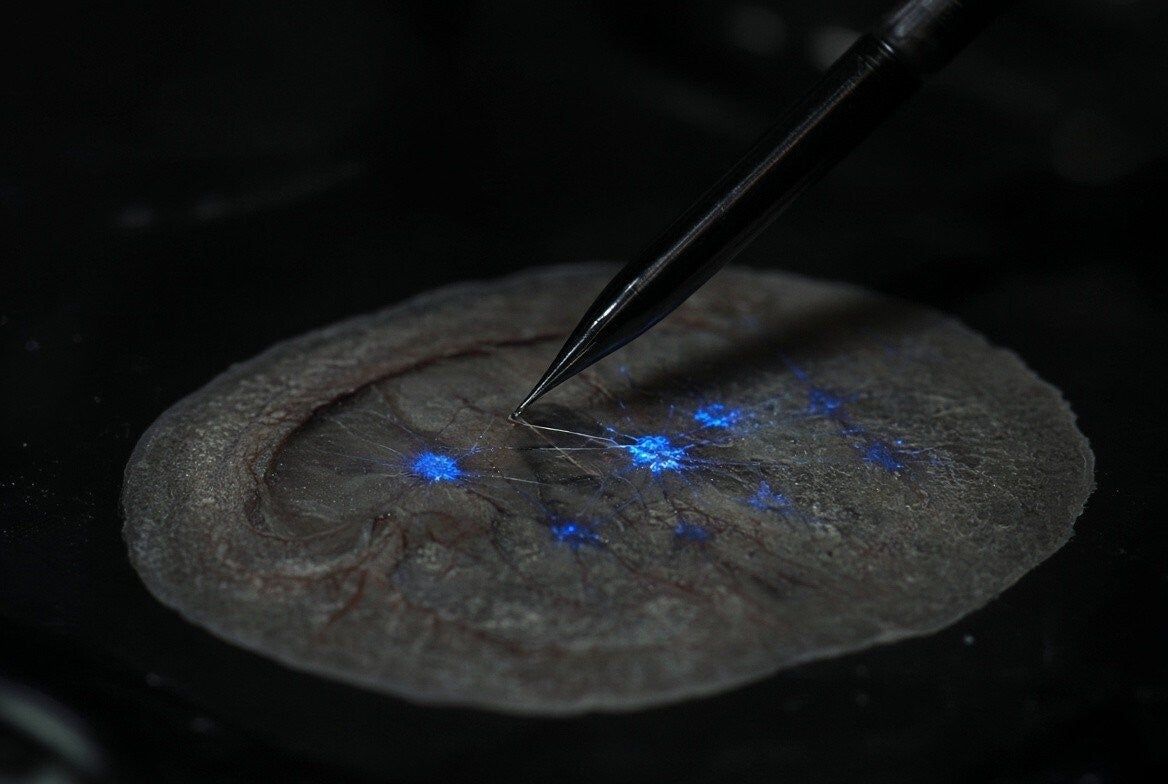
Bleached Corals Recover After Touching Healthy Clones
Bleached coral fragments recovered in the lab after touching healthy clones.
Watch the brief →
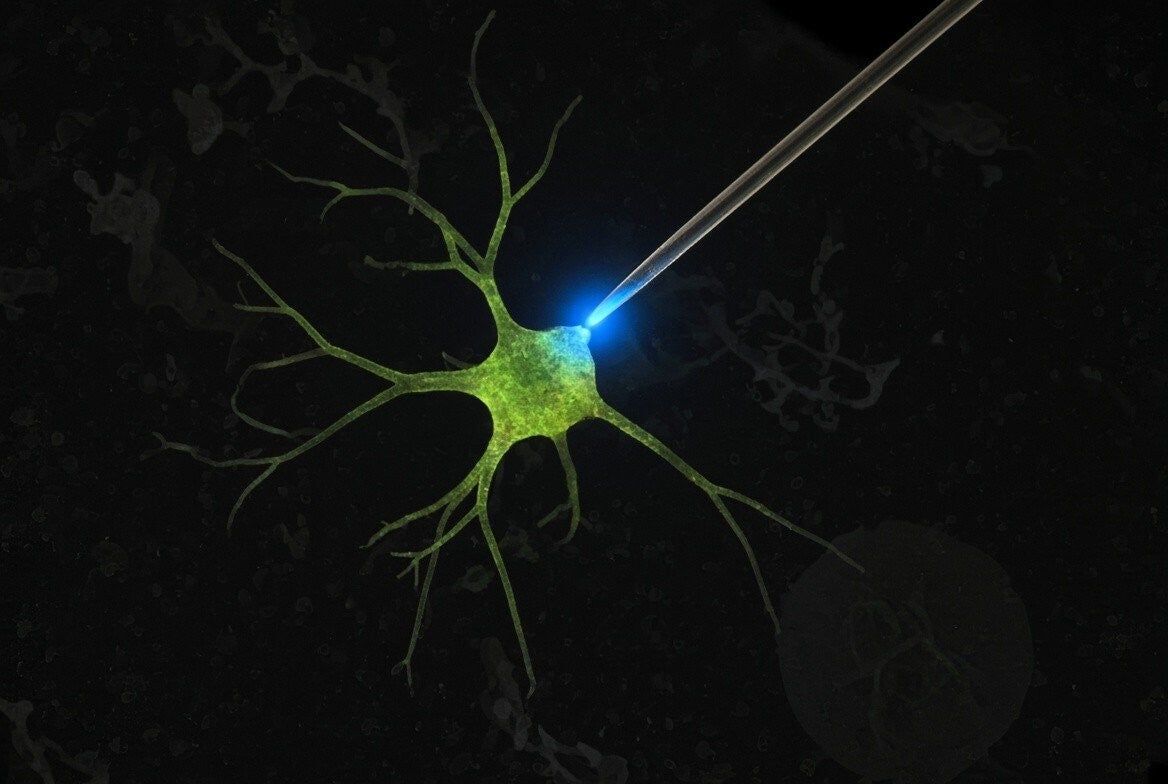
October 13, 2026 · Neuroscience
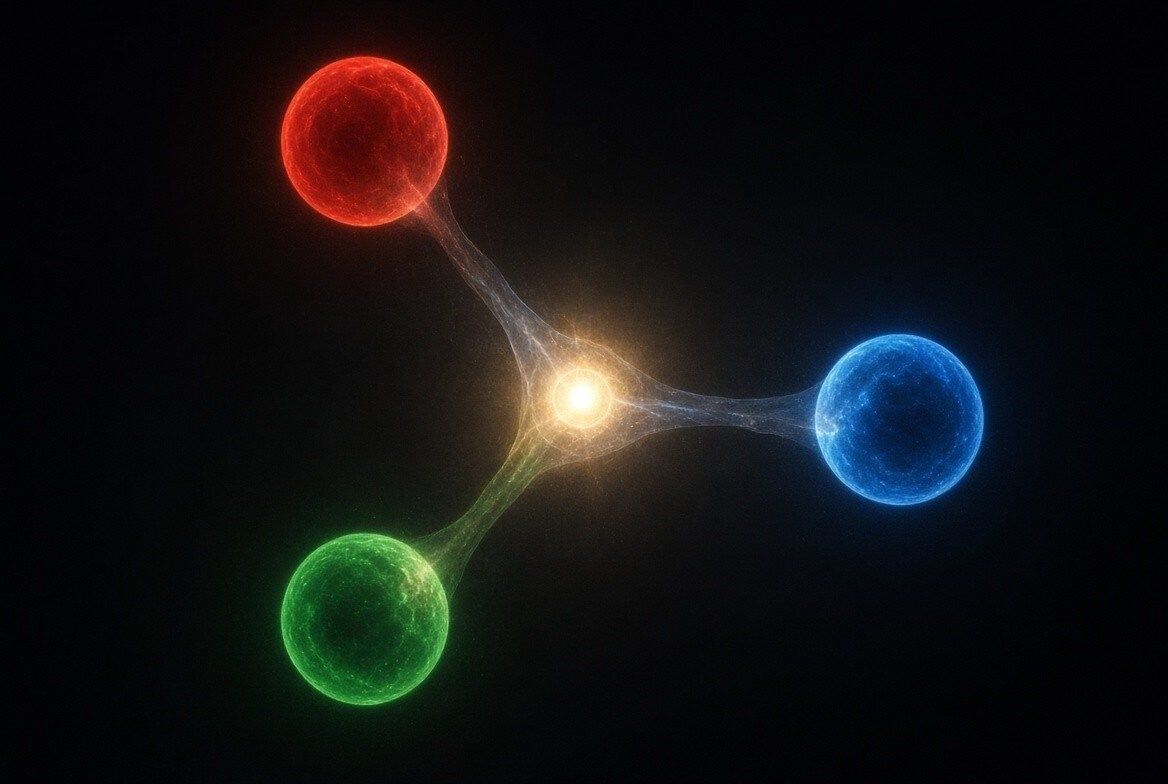
Listening to a Single Neuron Fire
A probe touches one brain cell. Blue light marks the moment it speaks.
October 12, 2026 · Chemistry
The Architecture of a Molecule
Three atoms, one bond. How the smallest structures build everything.
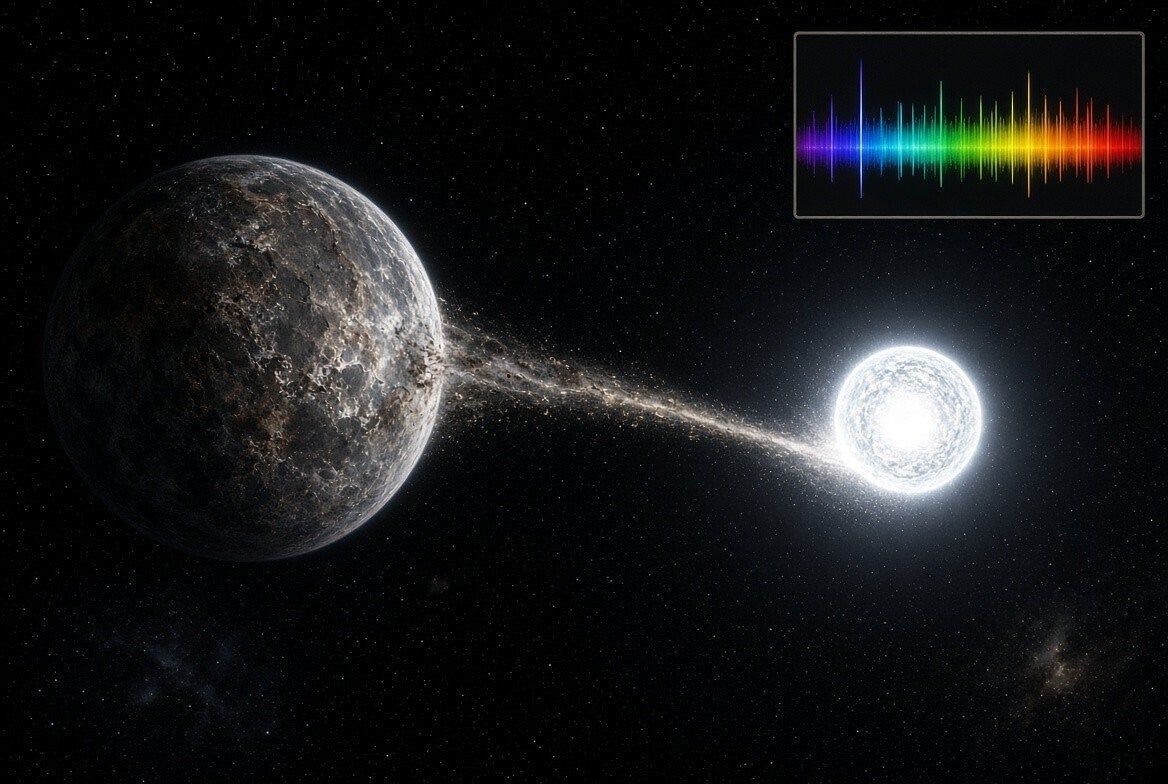
October 11, 2026 · Astronomy
A Star Eating Its Own Planet
The white dwarf pulls its planet apart. The light tells us what it was made of.
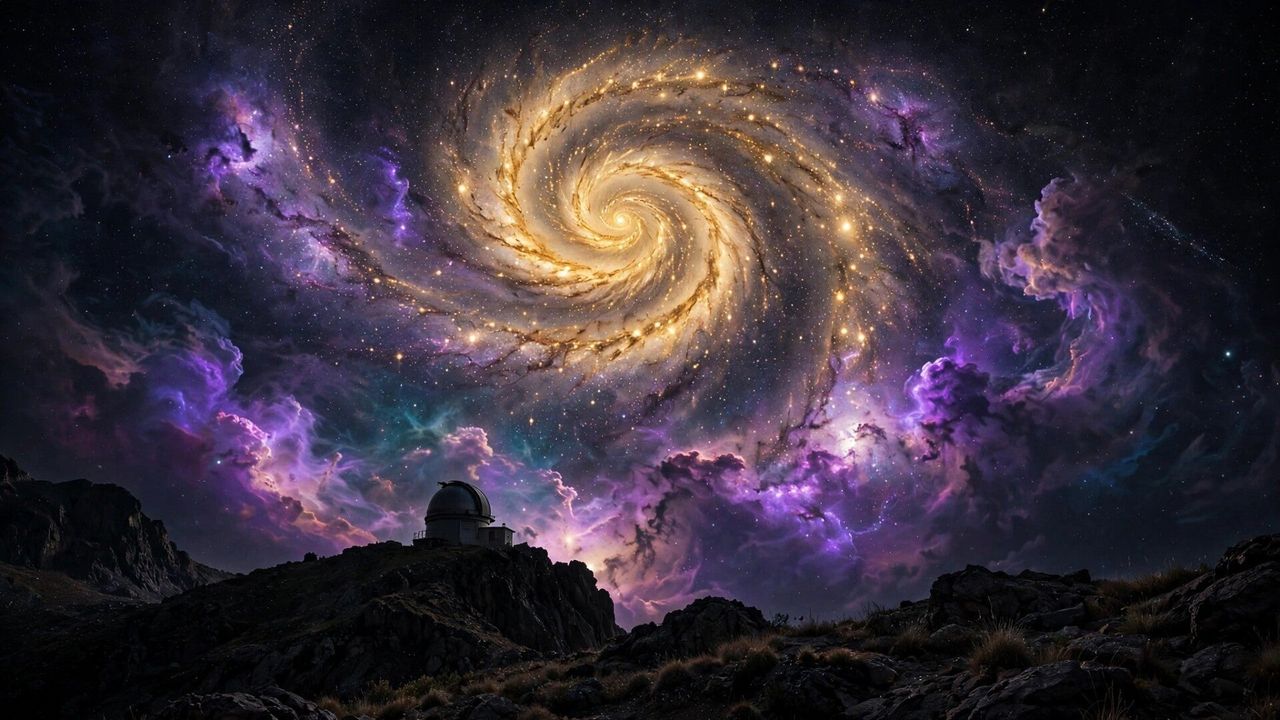
October 10, 2026 · Astronomy
The Observatory Under the Galaxy
One dome, one telescope, and a galaxy of 100 billion stars overhead.
 ▶
Biomimicry · Episode 1
The Kingfisher & the Bullet Train
How a bird’s beak fixed a train’s sonic boom.
Watch the episode →
- October 9, 2026 · From the Archive · NeuroscienceThe Living CircuitNeurons are not wires. They are living cells that grow, adapt, and remember.
- October 8, 2026 · From the Archive · AstronomyAfter the Star DiesThe white dwarf remains. Its debris ring and surviving planet tell the story of a solar system’s end.
- October 7, 2026 · From the Archive · BooksThe Arc — An OmnibusSix books. One story. The universe, consciousness, and what it means to be human.
- September 12, 2026 · Stories FeatureThe Cave That Kept a Human Secret — Denisovans at BianfuA Stories-only feature: what a cave at Bianfu preserved about the Denisovans, the human lineage known first from DNA.
- September 11, 2026 · Stories FeatureWhen Sound Draws Shapes: Following Nature’s PatternsA Stories-only feature: sound made visible — the patterns vibration draws, and where nature uses the same geometry.
- Biomimicry, Episode 2: The GeckoNature tested it first. Engineers are learning why.
The Story of Everything
The Evolution of Everything
Eight chapters, from the first spark to today.
Chapter 1
The Early Universe
The Big Bang. Energy becomes matter. The first atoms form.
Chapter 2
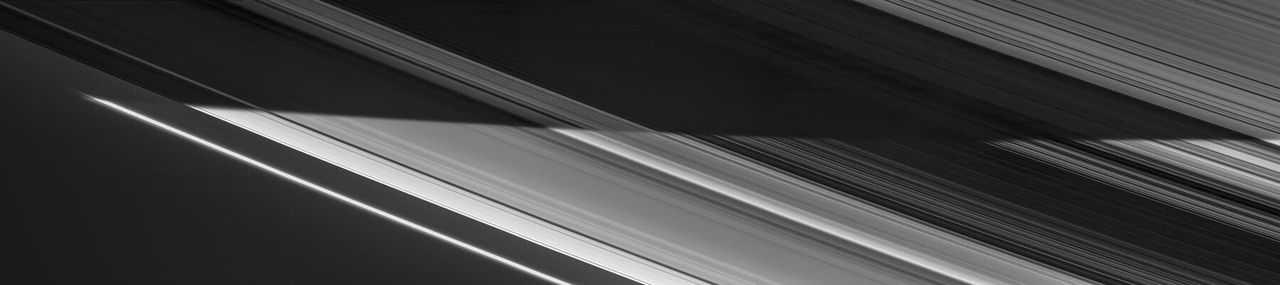
Galaxies & Stars
Gravity gathers gas into stars. Stars forge the elements.

Chapter 3
The Solar System
Our Sun ignites. Planets form from dust and ice.

Chapter 4
Earth
A rocky world cools. Oceans form. The stage is set.
Chapter 5
Life
Chemistry becomes biology. Cells, DNA, evolution begins.

Chapter 6
Humanity
Seven million years. Tools, language, civilization.
Chapter 7
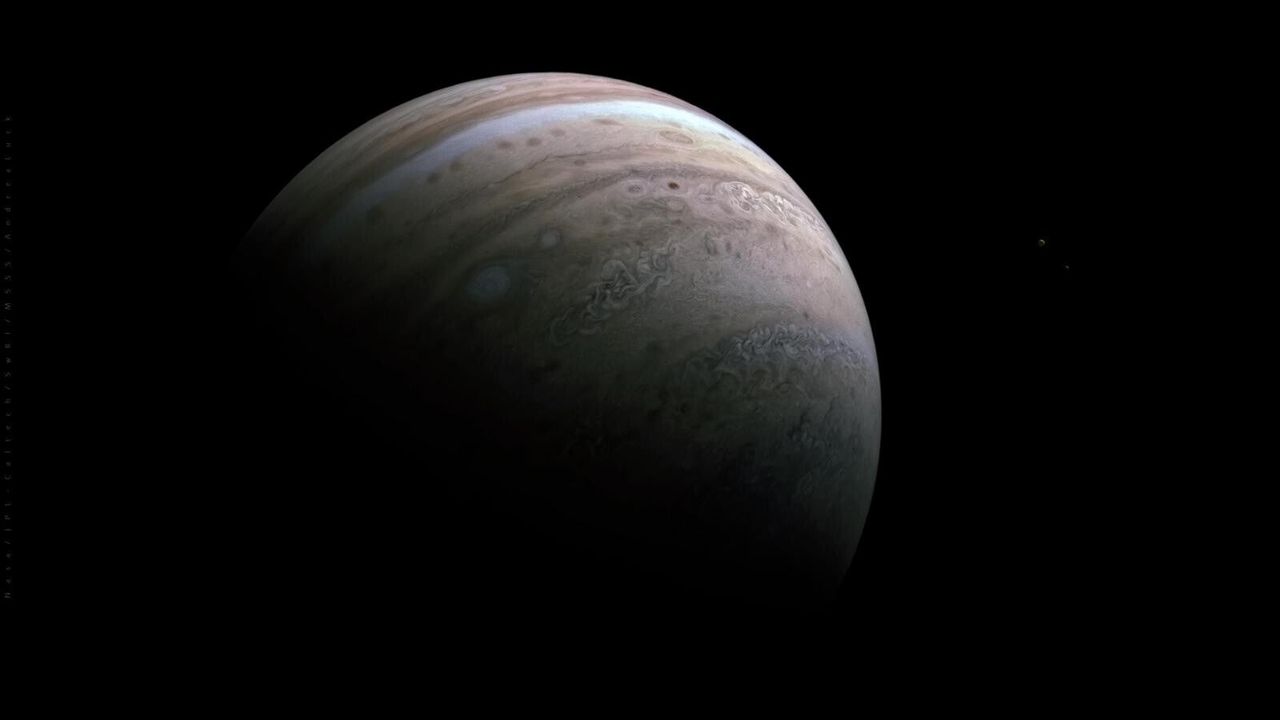
Engineering
Machines, electricity, flight, computers. We build the future.

Chapter 8
Today
Quantum computers, gene editing, space telescopes. The story continues.
Hands-On
The Sound Garden
The museum’s hands-on sound garden — two instruments in one garden. Play them right here.
DISCOVERY LAB · BENCH 1 · HANDS-ON
SOUND GARDEN
See Sound. Hear Color.
Tap a color
Tap the rainbow spectrum bar or a note on the color wheel — hear its sound.
Drag across the tiles
Run your finger or cursor across the paint tiles below — paint a melody.
Watch the wave
The waveform changes color, shape, and speed with every note you play.
🎨 PAINT WITH SOUND — DRAG ACROSS THE TILES
WHAT YOU'RE LEARNING — Every pitch has a color. Low sounds are warm reds. High sounds are cool violets. Your brain maps pitch to color — this exhibit makes that mapping visible.
Play a note. Shape a world of color.
Hold a note or slide your finger across the 3D sand to play. Move right for a higher pitch; move up for more expression. Release to silence it.
Musical illustration · note shapes are chosen visual mappings.
12 milliseconds of sound · motion slowed
See the sand
Larger grains are easier to see. More grains fill out each geometric path. These are display settings.
220–1,496 Hz. The slider previews color and shape silently; while a tone is playing, it bends the pitch.
Tap a key for a complete note. On a keyboard, hold A W S E D F T G Y H U J K. Drag the sand for continuous pitch. Esc stops sound.
Preparing the selected pattern.
Play & listen
Set a comfortable device volume. Notes fade in and out; Stop silences the instrument.
Sound is off. Hold a note, drag the sand, or tap Hear.
Plate resonance presets
10 square-plate modes at their calculated model frequencies. Selecting a preset switches the mapping to the plate model.
What connects pitch, pattern, and color?
The ten original presets use an ideal thin, uniform square plate with simply supported edges. Their selected mode frequencies follow f = 44 × (m² + n²) Hz. The 44 Hz scale is chosen for this demonstration; it is not a measurement of a real plate or your phone.
For different m and n, the preset geometry uses sin(mπx)sin(nπy) − sin(nπx)sin(mπy), with x and y from 0 to 1. Equal indices use sin(mπx)sin(mπy). Grain motion is a visual settling effect.
The Do–Re–Mi scale uses eight different square-plate geometries chosen to illustrate musical notes. These are visual associations, not the resonances a single physical plate would produce at those pitches. The separate plate presets use their calculated model frequencies. Between presets or note shapes, the instrument blends fields for illustration. Grains are distributed along the full nodal paths, and their settling motion is illustrative. Musical keys use equal temperament with A4 = 440 Hz.
Colors follow a chosen logarithmic pitch palette. Sound frequency has no inherent visible color. The same pitch returns to the same base color within a palette; lighting adds shading. The 3D height is exaggerated and the motion is slowed. Your speaker plays the selected pitch; no microphone is used.
See how real Chladni plates work · Harvard demonstrations
Research background: vibrations of simply supported rectangular plates
Science Theater
Watch
Documentaries and the Arc films. Tap a picture to play.
 ▶
Evolved — Nature Documentaries
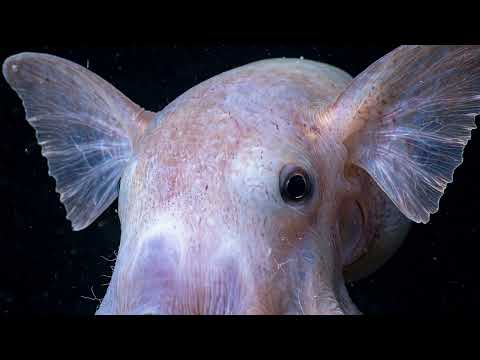
Episode 1 — Dumbo Octopus
Watch →
 ▶
Evolved — Nature Documentaries
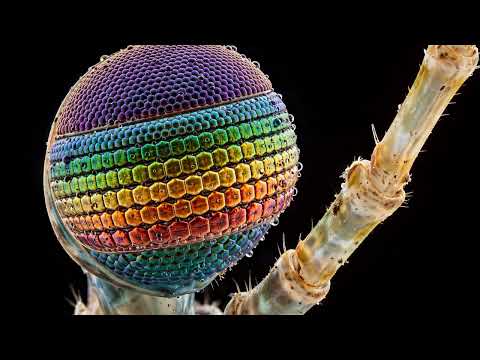
Episode 2 — Mantis Shrimp
Watch →
 ▶
Evolved — Nature Documentaries
Episode 3 — The Animal That Refuses to Die (Tardigrade)
Watch →
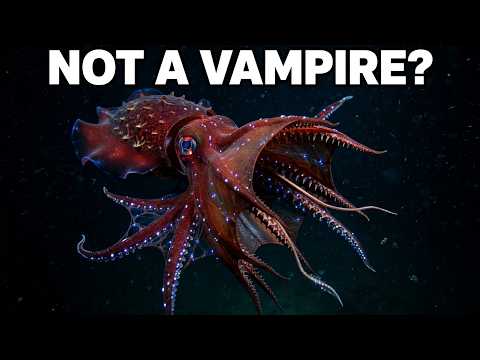 ▶
Evolved — Nature Documentaries
Episode 4 — Vampire Squid
Watch →
 ▶
Evolved — Nature Documentaries
Episode 7 — Pistol Shrimp
Watch →
▶Biomimicry
The Kingfisher & the Bullet Train
Watch →
 ▶
The Arc — Films
The Longing
Watch →
 ▶
The Arc — Films
The Reach
Watch →
 ▶
The Arc — Films
The Field
Watch →
The Books
The Arc — An Omnibus
Six books. One story. The universe, consciousness, and what it means to be human — in reading order.
Book One
The Gap
The front door. Where the story begins.

Book Two
The Longing
A story of distance, desire, and what pulls us forward.
Watch the film →

Book Three
The Operator
The one who runs the machine.

Book Four
The Reach
How far can a signal travel? How far can a person?
Watch the film →

Book Five
The Ledger
Every choice is recorded. Every debt comes due.
Book Six
The Field
The closing bible. Physics, evolution, and consciousness converge.
Watch the film →
Connect
Follow Your Curiosity
The museum lives here — and the conversation lives on YouTube and Facebook.